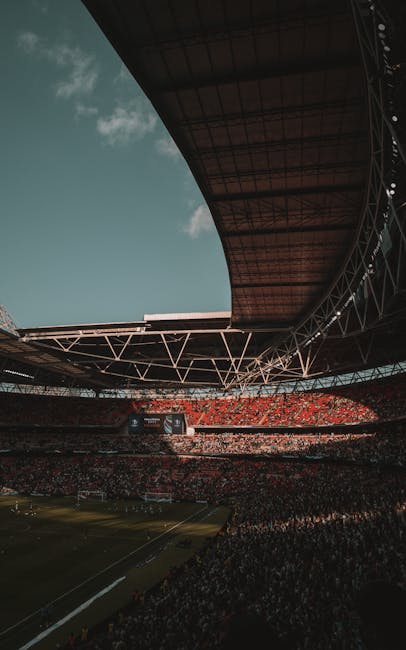
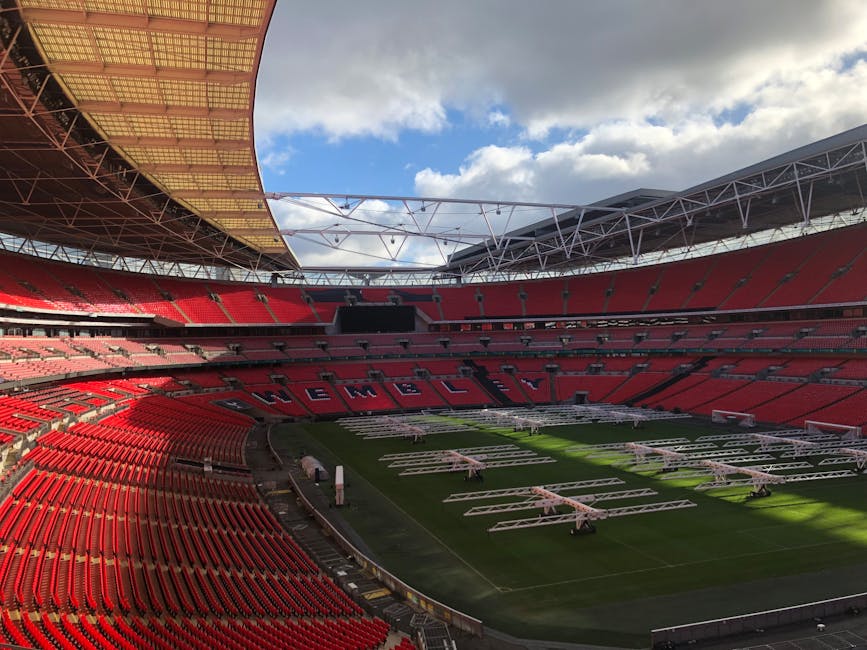
Wembley Stadium area rubbish clearance after events: a practical guide for fast, tidy, reliable clean-up
If you have ever walked away from a big match, concert, community festival, or stadium-side gathering and seen the aftermath, you will know the scene. Cups underfoot, food packaging on the pavement, broken bits of cardboard, stray flyers, maybe the odd chair or table waiting to be lifted. Wembley gets busy quickly, and when the crowds thin out, the rubbish does not tidy itself. That is where Wembley Stadium area rubbish clearance after events becomes more than a convenience. It is part of keeping access routes open, reducing complaints, and getting the area back to normal without dragging the job out into the next day.
This guide explains how post-event clearance works, who needs it, what to expect, and the best way to plan it so the job is handled properly first time. If you are coordinating an event, managing a venue, or dealing with the aftermath of a crowded night, you will find practical steps here rather than vague advice. Let's keep it simple and useful.
Table of Contents
- Why Wembley Stadium area rubbish clearance after events matters
- How Wembley Stadium area rubbish clearance after events works
- Key benefits and practical advantages
- Who this is for and when it makes sense
- Step-by-step guidance
- Expert tips for better results
- Common mistakes to avoid
- Tools, resources and recommendations
- Law, compliance, standards, or best practice
- Options, methods, or comparison table
- Case study or real-world example
- Practical checklist
- Conclusion
- Frequently asked questions
Why Wembley Stadium area rubbish clearance after events Matters
After a major event, the Wembley area can shift from busy and exciting to cluttered in a very short space of time. That matters for several reasons. First, rubbish creates a poor impression. If people are leaving a venue or catching transport and have to pick their way around overflowing bags or loose waste, the whole area feels neglected. Second, leftover waste can block footpaths, service access, loading bays, and entry points. And third, the longer waste sits around, the more likely it is to attract pests, blow into neighbouring streets, or become a slip and trip hazard. Simple, really, but easy to underestimate.
There is also a timing issue. Event-related waste is often mixed waste: bottles, food containers, posters, packaging, cardboard, broken merchandise displays, and the occasional bulky item. Once it gets damp from London weather or spread across several locations, it becomes slower and more expensive to clear. In our experience, the clean-up window after an event is where the difference is made. Move quickly and the site feels controlled. Leave it too long and the job becomes messy in every sense.
For businesses near the stadium, post-event rubbish can affect trading the next morning. For organisers, it can affect reputation. For residents, it can simply be irritating. Fair enough. Nobody wants to wake up to bin bags left outside the wrong frontage or bottles rattling down the pavement in the wind.
Expert summary: The most effective post-event clearance is not just about taking waste away. It is about restoring access, removing visual clutter, separating recyclable material where possible, and doing it fast enough that the area feels clean before the next wave of people arrives.
How Wembley Stadium area rubbish clearance after events Works
Post-event clearance is usually a coordinated process rather than a simple bin collection. It often starts with a quick assessment of the site: where waste has gathered, what type of waste is present, how much lifting is needed, and whether access is tight. Around Wembley, that last point matters. Busy roads, pedestrian flows, time restrictions, and vehicle positioning can all change the approach.
A good clearance team will normally work in stages. First comes separation. Loose litter, bagged waste, recyclable items, cardboard, bulky waste, and any restricted items should be identified early. Then comes collection, loading, and transfer. Depending on the waste type and volume, this may involve man-and-van style collection, more than one vehicle, or a larger clearance team working through zones.
It helps to think about the site like a puzzle. Where are the worst hotspots? What can be lifted quickly? What needs a second pass after barriers or temporary fixtures are removed? A one-size-fits-all approach usually causes delays. To be fair, events rarely unfold in neat little boxes anyway.
For planning purposes, it is also worth deciding what happens to anything usable or recyclable. Cardboard and clean packaging can often be separated more efficiently than mixed rubbish. Bulky items such as furniture or display pieces may need a different handling plan altogether. If the waste stream includes something awkward or unusual, it is better to flag it before collection day than to discover it at the kerbside with people waiting and traffic moving around you. Not ideal.
In practice, many event organisers combine rubbish clearance with wider services such as waste removal or, where there has been a larger build-up of disposable items, business waste removal. That can make the process simpler because one plan covers more than one type of leftover waste.
Key Benefits and Practical Advantages
The main benefit is obvious: the area gets back to clean and usable faster. But the practical advantages go further than that.
- Less disruption: quick clearance keeps entrances, exits, and pavements clear for visitors, staff, and local residents.
- Better presentation: a tidy event exit looks professional and shows care, which matters whether you are hosting 100 people or 10,000.
- Reduced safety risks: loose waste can cause slips, punctures, blocked walkways, or trip hazards.
- Improved recycling outcomes: separating cardboard, bottles, and other recoverables early can reduce the amount going to general waste.
- Lower stress for organisers: a managed post-event plan means fewer last-minute scrambles and fewer awkward surprises.
- Better neighbour relations: clearing litter promptly helps avoid complaints from nearby homes, shops, and transport users.
There is also a subtle reputational gain. People remember how a place feels after the noise dies down. If the area is left clean, the whole event feels better organised. If not, the mess becomes part of the memory. That's just human nature.
For businesses that host hospitality events or manage public-facing spaces, the value is even more direct. A clean exterior can influence the first impression the next day, especially if the morning is grey, damp, and full of commuters. Wembley in the early morning after a big event has a particular rhythm: damp paving, scattered leaves, the echo of traffic, and one or two workers already walking briskly with takeaway tea. If the rubbish is gone, the area resets properly.
Who This Is For and When It Makes Sense
Wembley Stadium area rubbish clearance after events is relevant to a lot of people, not just the headline event organiser. In fact, some of the most common users are the ones who inherit the mess rather than create it.
- Event organisers: for concerts, match days, fan zones, community events, and private hospitality functions.
- Venue managers: for routine post-event resets and back-of-house waste management.
- Hospitality businesses: bars, restaurants, cafes, and takeaway operators with spillover waste after busy nights.
- Retail units: especially those dealing with packaging, promotional materials, or oversized cardboard.
- Facilities teams: for schools, offices, and multi-use spaces hosting one-off events.
- Local landlords or property managers: when shared forecourts, communal spaces, or service yards need clearing.
It makes sense when the waste is too much for normal bins, too time-sensitive for a regular collection, or too mixed to deal with neatly in-house. It also makes sense when the access window is narrow. Around a major venue, that can be the difference between a calm handover and a chaotic morning.
Ask yourself two questions. Is the waste creating a safety, access, or presentation problem? And do you actually have the staff, time, and vehicle capacity to deal with it properly? If the answer is no to either one, professional clearance is usually the cleaner option.
Step-by-Step Guidance
Here is a straightforward way to plan post-event rubbish clearance around Wembley without overcomplicating it.
- Walk the site as soon as practical. Identify waste hotspots, blocked access points, and any bulky items.
- Separate waste types where possible. Keep cardboard, general rubbish, recyclables, and unusual items apart.
- Estimate volume realistically. Most delays happen because the amount of waste is underestimated. A few black bags can turn into a van full very quickly.
- Check access and timing. Note loading restrictions, narrow routes, stair access, or likely congestion around event end times.
- Decide what needs specialist handling. If there are fridges, large furniture pieces, sharp items, or potentially hazardous waste, flag them early.
- Book a collection window. Where possible, aim for a slot that follows the peak exit rush but still gets the site cleared promptly.
- Prepare the waste for uplift. Bag loose rubbish, flatten cardboard, and place items in accessible spots if safe to do so.
- Do a final sweep. Check behind barriers, under seating, along kerbs, and in corners where waste likes to hide.
A small thing makes a big difference here: label what has been set aside for recycling, reuse, or disposal. It saves time. It also reduces the chance of a decent load of cardboard getting mixed with wet general waste because somebody was in a hurry. Happens all the time.
If the event is large or repeated regularly, create a repeatable handover checklist. That way the clean-up does not depend on memory or one person's good mood after a long day. And after a long event day, let's face it, good moods can be a little fragile.
Expert Tips for Better Results
Some of the best improvements are small operational tweaks. They are not flashy, but they save time and make the job smoother.
- Start with the biggest items first. Removing bulky waste early makes the site easier to navigate and reduces visual clutter fast.
- Keep wet and dry waste separate if you can. Dry cardboard and recyclable packaging are much easier to handle before they become soggy.
- Use one point of contact. A single decision-maker prevents mixed messages when the collection team arrives.
- Plan around pedestrian surges. Right after an event, it may be safer and faster to wait for the main crowd to thin before moving vehicles or loading equipment.
- Expect hidden waste. The obvious litter gets cleared first; the stuff under benches, behind planters, and near temporary fencing is usually what people miss.
- Keep bags manageable. Overfilled sacks split. Then you are doing the same work twice. No one enjoys that.
Another useful habit is photographing the site before and after clearance. Not for vanity. For clarity. It gives you a quick record of what was present, what was removed, and how the handover went. That can help if there are later queries from a landlord, a site manager, or a neighbouring business.
If the event is recurring, review the pattern. Did waste build up near the same entrance? Were there too few bins? Was the exit route too narrow? A little pattern recognition goes a long way.
Common Mistakes to Avoid
Most problems with post-event waste clearance are avoidable. They usually come from rushing, guessing, or assuming the site will be easier than it is.
- Leaving the clean-up too late: once waste is trampled, spread by wind, or soaked by rain, the job becomes slower and more expensive.
- Underestimating volume: a few visible bags rarely tell the whole story.
- Mixing waste types: if recyclable material is thrown in with general waste, you lose sorting efficiency and sometimes create extra disposal cost.
- Ignoring access issues: a clearance plan that works on paper can fall apart if a vehicle cannot stop safely or there is nowhere to stage the load.
- Forgetting bulky or awkward items: broken seating, display units, and event furniture are easy to miss until the last minute.
- Using the wrong team for the job: not every waste provider is set up for event-scale post-clearance work, especially in a busy urban location.
One common oversight is failing to think about the second wave of waste. You know the sort of thing: a round of drinks containers from late departures, packaging from food kiosks, or items dropped while staff are packing down. If the first sweep is treated as the whole job, the area can look tidy for an hour and then slip back into a mess. Not a great look.
Tools, Resources and Recommendations
You do not need a warehouse of equipment to manage event waste well, but the right tools do help. At minimum, most teams benefit from the following:
- Heavy-duty sacks or waste bags for general litter and lightweight packaging.
- Gloves and basic PPE for handling mixed or sharp waste safely.
- Trolleys or dollies for moving heavier items without needless strain.
- Labels or coloured bag systems to separate recyclables, general rubbish, and reuse items.
- Flashlights or head torches for early-morning or late-night inspections in darker corners.
- Protective floor coverings where pack-down work risks scattering debris.
For related services, it can help to compare clearance types. If the job is mostly chairs, tables, or display fixtures, furniture clearance or furniture disposal may be the better fit. If there are storage areas, back rooms, or overflow spaces involved, garage clearance and office clearance can also be relevant depending on where the waste has built up.
For organisers wanting to tidy up after larger community or hospitality events, there is also value in planning recycling and reuse from the start. A well-run post-event reset is easier when disposable items are chosen carefully and waste streams are understood beforehand. That is why some teams make use of guidance on recycling and sustainability before the event even begins.
Law, Compliance, Standards, or Best Practice
Waste handling in the UK needs to be done responsibly, and that applies just as much after an event as it does during day-to-day operations. While the exact legal duties depend on the type of waste and the nature of the site, there are some practical principles that are worth following every time.
First, duty of care matters. Waste should be stored, transferred, and handed over in a way that prevents escape, nuisance, or unsafe handling. Second, some waste streams need special care. Electrical items, appliances, sharp waste, and potentially hazardous materials should be identified early and dealt with appropriately. Third, you should avoid mixing unsuitable items together if doing so would complicate recycling or make disposal unsafe.
That is especially relevant if the event includes catering, temporary structures, or promotional installations. Food residue, liquids, glass, broken fittings, and mixed packaging can all change how the waste should be handled. If you are not sure whether a load includes something restricted, it is better to ask before collection than to improvise on the day.
Good practice also includes safe lifting, suitable PPE, clear site communication, and adequate insurance. If a provider is handling the waste on your behalf, it is reasonable to ask how they manage safety, what their collection process looks like, and whether they can handle the type of waste you have. A tidy site is good. A safe, tidy site is better.
For organisations that want to reduce risk and keep standards consistent, pages such as health and safety policy, insurance and safety, and hazardous waste disposal can be useful reference points when planning the work.
Options, Methods, or Comparison Table
There are usually three practical ways to deal with post-event rubbish around Wembley. Each one has a place, depending on the volume, timing, and waste type.
| Method | Best for | Advantages | Limitations |
|---|---|---|---|
| In-house cleanup | Small events, light litter, simple waste streams | Lower immediate spend, direct control | Can be slow, staff may be stretched, access and transport may be limited |
| Scheduled waste collection | Predictable waste volumes and recurring events | Easy to plan, consistent timing | May not suit urgent clearance or bulky items |
| Professional same-day clearance | Large events, mixed waste, tight turnaround, bulky loads | Fast, flexible, less stress, better for access-sensitive locations | Needs clear briefing and realistic volume estimate |
In many Wembley-area situations, the third option is the most practical because timing matters so much. If the space needs to be reset before the next event, before the next trading period, or before contractors return, speed becomes a real part of the decision. Same-day clearance can be especially helpful where waste is visible to the public and cannot be left sitting around.
It is also worth noting that bulky items and mixed waste often benefit from a specialist service rather than a general refuse arrangement. For example, if the post-event site includes damaged seating, temporary counters, or worn-out fixtures, a broader clearance approach may be better than a bag-only collection. The right method saves time. Sometimes a lot of time.
Case Study or Real-World Example
Here is a realistic example. A hospitality operator close to Wembley hosts a large event night with temporary tables, branded display stands, cardboard beverage packaging, and food waste. By closing time, the outdoor area is full of loose litter, a few broken boxes, and several oversized bags stacked awkwardly near a service gate. Staff are tired. The next morning the frontage needs to look clean for breakfast customers and passing pedestrians.
Instead of waiting until the following afternoon, the team arranges a same-evening collection window. They separate cardboard from general rubbish, keep sharp items in a labelled container, and leave the gate clear for loading. The collection team completes one sweep, then returns for a final check after the crowd disperses. By early morning, the frontage is reset, the path is clear, and the business opens without a grim-looking pile at the entrance.
That kind of job sounds basic until you have lived through a late finish and a short turnaround. Then it becomes obvious why planning matters. The win is not just removing rubbish. It is avoiding the slow, annoying spillover that can affect the next day's trade. You feel it immediately when the space is right again.
Practical Checklist
Use this checklist before booking or organising post-event clearance:
- Have you identified all waste hotspots around the site?
- Do you know roughly how much waste there is?
- Have you separated general waste from recyclable materials?
- Are there bulky, sharp, or unusual items that need special handling?
- Is access clear for the collection team or vehicle?
- Have you chosen a collection time that fits the event finish and local activity?
- Is there one person responsible for sign-off on the day?
- Have you checked whether any waste needs specialist disposal?
- Are PPE and safe handling arrangements in place for anyone assisting?
- Have you arranged a final walk-through after the main clear-up?
If you can tick most of those off, the job usually runs far more smoothly. If not, sort the gaps before the event ends if you can. It is always easier to prepare while the site is still active than to sort things out in a half-cleared, half-chaotic state at 11 p.m. with everyone wanting to go home.
Quick takeaway: the best Wembley post-event rubbish clearance is prompt, access-aware, and planned around the real waste mix, not just the visible bags at the end of the night.
If you want a straightforward way to move from messy to manageable, it helps to line up your clearance plan early and use a provider that understands both the pressure of event turnaround and the practicalities of mixed waste. For bookings and scheduling, you can also use book online or review pricing and quotes before deciding what level of help you need.
Conclusion
Wembley Stadium area rubbish clearance after events is one of those tasks that can look straightforward from a distance and then become surprisingly fiddly in real life. Traffic, timing, mixed waste, safety, and presentation all come into play. The good news is that a clear plan, a realistic assessment of the load, and the right method can take most of the stress out of it.
Whether you are dealing with a one-off concert crowd or a recurring hospitality setup, the aim is the same: remove the waste efficiently, keep the area safe, and restore the space without fuss. That is what people notice, even if they do not say it out loud. And sometimes that quiet, behind-the-scenes work is what makes the whole event feel properly finished.
Get a free quote today and see how much you can save.
Frequently Asked Questions
What counts as Wembley Stadium area rubbish clearance after events?
It usually means the removal of litter, bagged rubbish, cardboard, packaging, bulky leftovers, and any mixed waste left behind after a concert, match, party, or public gathering near Wembley Stadium.
How quickly should rubbish be cleared after an event?
Ideally as soon as access and safety allow. In busy event areas, the sooner the clearance starts, the easier it is to keep pavements open and avoid waste being spread by wind, traffic, or footfall.
Can event waste be recycled?
Often, yes. Clean cardboard, some packaging, bottles, and certain dry materials can usually be separated for recycling. The key is to keep recyclable items apart before they get contaminated.
What if the waste includes bulky items?
Bulky items such as chairs, tables, display boards, or damaged fixtures usually need a clearance method that can handle larger loads and awkward lifting. It is best to mention them in advance.
Is same-day rubbish clearance available for Wembley events?
It can be, depending on the provider and the timing of the job. Same-day clearance is often useful where the area needs to be reset quickly for trading, cleaning, or the next event.
Do I need to sort waste before collection?
Sorting is strongly recommended where practical. Separating general waste, recyclables, and specialist items makes the collection faster and can improve disposal efficiency.
What happens if there are sharp or hazardous items?
They should be identified and handled separately. Sharp waste, broken glass, appliances, and anything potentially hazardous should not be bundled in with general event rubbish.
How do I estimate the amount of waste after an event?
Start with a walk-through and look beyond the obvious bags. Check behind barriers, around food areas, near exits, and where waste may have been moved during pack-down. It is usually more than the first glance suggests.
What is the best time to arrange collection?
The best time is usually after the main crowd has moved away but before the waste has had time to spread or become damaged by weather. That window can be quite narrow, so planning helps.
Can rubbish clearance help reduce complaints from neighbours?
Yes. Fast removal reduces noise from dragging bags, limits visual clutter, and lowers the chance of waste blowing into nearby streets or doorways. It is a simple way to keep relations smoother.
What should I check before booking a clearance team?
Check what waste types they handle, how they manage access, whether they can cope with bulky items, and whether they can work within your event timing. Safety and insurance are worth asking about too.
Is professional clearance worth it for smaller events?
If the waste is light and access is easy, you may manage it in-house. But if time is tight, the waste is mixed, or presentation matters, professional help can save a lot of stress. Sometimes the calmest option is the cheapest in the long run.